
Double white lines (both lines solid)
In the Highway Code's road surface markings, under “Along the carriageway”
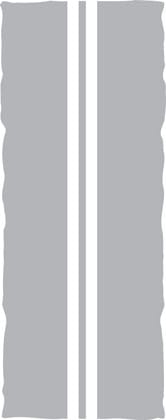
What this road marking means
The Highway Code describes this road marking as: “Double white lines”.
Road markings are lines, words and symbols on the road surface that give orders, warnings and information, often alongside traffic signs.
Highway Code rule 128
Double white lines where the line nearest to you is broken. This means you may cross the lines to overtake if it is safe, provided you can complete the manoeuvre before reaching a solid white line on your side. White direction arrows on the road indicate that you need to get back onto your side of the road.
Rule 128 is in General rules, techniques and advice for all drivers and riders.
Highway Code rule 129
Double white lines where the line nearest you is solid. This means you MUST NOT cross or straddle it unless it is safe and you need to enter adjoining premises or a side road. You may cross the line if necessary, provided the road is clear, to pass a stationary vehicle, or overtake a pedal cycle, horse or road maintenance vehicle, if they are travelling at 10 mph (16 km/h) or less.
Rule 129 is in General rules, techniques and advice for all drivers and riders.
More signs in this group
See every sign in Road Surface Markings, or test yourself with road and traffic signs practice questions.
Contains public sector information licensed under the Open Government Licence v3.0.